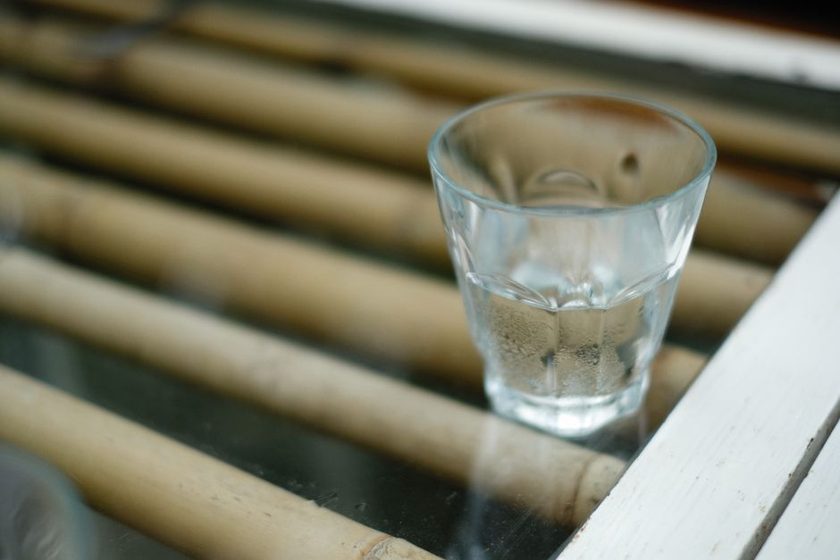
Of all the wellness habits people chase — the supplements, the routines, the apps — few are as quietly powerful, or as easy to overlook, as simply drinking enough water. Water is involved in nearly everything your body does: it carries nutrients, helps regulate temperature, lubricates joints, and supports the steady electrical chatter of your brain. When you fall behind, you don't always feel thirsty first. Sometimes you just feel off.
Why water matters for focus and steadiness
Even mild dehydration — the kind that leaves you reaching for a coffee rather than a glass of water — can show up as fogginess, a low mood, or a sense that your get-up-and-go has left the building. Research suggests that modest fluid losses can modestly reduce alertness and concentration, and many people find that simply topping up their water helps them feel more like themselves within an hour or two.
Part of the reason is mechanical. Your brain is mostly water, and even small shifts in your fluid balance can change how efficiently it runs. Blood volume also matters: when you're a little dehydrated, your cardiovascular system works a bit harder to keep blood and oxygen moving, which can leave you feeling heavy or tired during ordinary tasks.
Thirst is a lagging indicator. By the time you notice it, you've often already drifted into a range where focus and energy dip. Drinking proactively through the day tends to feel better than catching up.
How much is "enough"?
The honest answer is: it depends, and there's no single number that fits everyone. Your needs shift with your body size, the weather, how much you move, and even the foods you eat (soups, fruit, and vegetables contribute water). Rather than chasing a gallon-a-day target, two gentle signals work well for most people:
- Thirst. Respond to it promptly rather than ignoring it.
- Urine color. Pale, straw-like yellow generally suggests you're well hydrated; dark yellow often means it's time to drink a little more.
If you'd like a rough frame of reference, common public-health guidance for adults often lands around 11–15 cups of total fluids daily from all sources — but treat that as a backdrop, not a rule you must hit to the ounce.
What about coffee and tea?
Good news for coffee lovers: moderate amounts of coffee and tea count toward your daily fluids. The old idea that caffeine always dehydrates you is largely overstated for people who drink it regularly. A morning coffee and an afternoon tea can absolutely be part of how you stay hydrated — just balance them with plain water, and don't let them be the only thing you drink.
A glance at water in everyday foods
You don't have to drink all your water. These common foods are surprisingly water-rich and pair nicely with hydration as part of balanced meals:
| Food | Approx. water content | Everyday role |
|---|---|---|
| Watermelon | ~92% | Refreshing snack, especially in warm weather |
| Cucumber | ~95% | Crisp addition to salads and sandwiches |
| Strawberries | ~91% | Sweet topping for oats or yogurt |
| Soup (broth-based) | ~90%+ | Comforting, hydrating meal starter |
Pairing water-rich foods with a sensible eating pattern — including enough fiber — is a gentle way to support how you feel day to day.
Low-effort ways to actually drink more
Knowing you should drink more water rarely changes behavior on its own. A few small design choices tend to work better than willpower:
- Keep it visible. A water bottle or glass on your desk works on the principle of "out of sight, out of mind" — in reverse.
- Anchor it to habits. A glass with each meal, one when you wake up, one when you start work. Anchors beat reminders.
- Make it pleasant. A slice of lemon, cucumber, or a few mint leaves turns plain water into something you actually look forward to.
- Use a gentle nudge. If you tend to forget during busy stretches, a single mid-morning and mid-afternoon reminder is often enough. A habits app like NourishTrack can handle that without nagging you.
A few myths worth setting down
You don't need to drink a fixed number of glasses exactly eight times a day, you don't need expensive alkaline water for "proper" hydration, and you don't need to force fluids past comfort. The goal is steady, comfortable hydration across the day — not a performance.
It's also worth noting that drinking enormous amounts of water in a short window isn't better and can, in extreme cases, be harmful. As with most things in wellness, consistency and moderation win.
The takeaway
Hydration is one of the highest-leverage, lowest-cost wellness habits there is. It won't fix everything, and it's not a treatment for any condition — but staying comfortably hydrated can quietly support the focus, mood, and steady energy that make your day feel more manageable. Start small: one extra glass with your next meal, and a bottle within arm's reach.