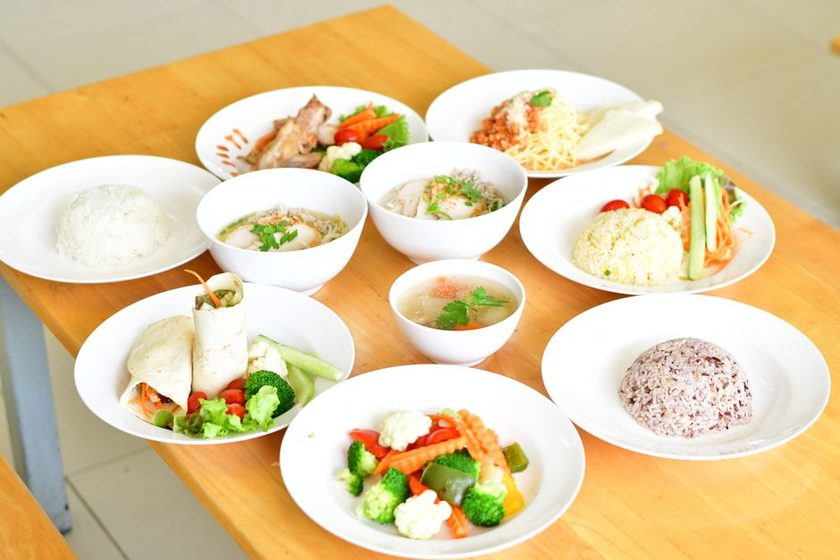
Most advice about "eating well" quietly assumes you want to weigh portions, track numbers, and learn a system. The plate method does none of that. It's a simple visual: divide your plate into sections, fill them with familiar foods in rough proportions, and call it a meal. No counting, no apps required, and it adapts to almost any cuisine or kitchen.
The basic idea
Picture a normal dinner plate. Mentally split it into a few zones. The proportions — not exact measurements — look something like this:
That's the whole framework. It's deliberately flexible because no single "perfect" ratio suits everyone, every culture, or every day. The point is a dependable starting shape you can return to without thinking too hard.
You don't eat nutrients — you eat meals. The plate method turns the abstract idea of "balance" into something you can see on the table in front of you.
Filling each section
Half: vegetables and fruit
This is the part most people under-fill. Aim for variety and color — dark leafy greens, tomatoes, carrots, peppers, broccoli, beans (which pull double duty as protein too), and fruit on the side. Frozen and canned vegetables count and are often just as nutritious; just rinse canned ones to lower sodium if that matters to you. Eating "the rainbow" isn't magic, but it's an easy way to get a range of vitamins and fiber.
A quarter: whole grains or starchy carbs
This is your everyday energy. Good options include brown rice, quinoa, whole-wheat pasta or bread, oats, potatoes (skins on for more fiber), and corn. These carbohydrates fuel your brain and muscles — they're not something to fear, as we cover in understanding macronutrients. When you can, choose whole-food versions that come with fiber.
A quarter: protein
Protein helps a meal feel satisfying and supports your body's ongoing repair and maintenance. Pick what works for you: chicken, fish, eggs, yogurt, or cheese; or plant-based choices like lentils, chickpeas, tofu, and tempeh. Beans are especially handy because they bring protein and fiber in one affordable package.
Add a little fat, and a glass of water
A drizzle of olive oil, some avocado, a handful of nuts or seeds, or a bit of cheese brings flavor and helps your body absorb certain vitamins. And don't forget a glass of water — meals pair better with hydration, as we explain in how hydration affects energy.
What it looks like in real meals
| Meal | Grain/starch | Protein | Veg/fruit (half) |
|---|---|---|---|
| Grain bowl | Brown rice or quinoa | Black beans + yogurt | Greens, tomato, corn salsa |
| Pasta night | Whole-wheat pasta | Grilled chicken or lentils | Big side salad, roasted veg |
| Breakfast plate | Oats or whole-grain toast | Eggs or Greek yogurt | Berries, sliced apple |
| Stir-fry | Noodles or rice | Tofu or shrimp | Broccoli, peppers, snap peas |
Notice that none of these require specialty ingredients or much thought. They're ordinary meals, gently reorganized.
Common-sense adjustments
- Not every meal will be perfect. A piece of toast and coffee for breakfast is fine. Aim for the shape across the day, not at every single meal.
- Hungrier days happen. Eat more. The proportions still work; just make the plate bigger.
- Eating out? Restaurant plates often run heavy on starch and light on veg. Order an extra side of vegetables or save half the starch for later.
- Tuning into hunger helps. Pair the plate method with the awareness from mindful eating and you've got a genuinely flexible approach.
A quiet note on numbers
If you enjoy tracking, you can absolutely log your meals — and a gentle tool like NourishTrack can help you notice patterns in what you eat without turning it into a chore. But the plate method is specifically designed so that you don't need to. For most people, most of the time, a reliable visual beats precise accounting.
The takeaway
Building balanced meals doesn't require expertise — just a rough picture in your head. Half vegetables and fruit, a quarter whole grains or starch, a quarter protein, plus a little fat and some water. Cook what you enjoy, keep it flexible, and let the shape guide you rather than rule you. That's a habit that lasts.